If you’ve ever paused mid-sentence wondering whether to write “neither nor” or “neither or,” you’re not alone.
This small grammar confusion trips up students, bloggers, and even professionals. It looks simple but using it incorrectly can make your writing sound off or unclear.
In this complete guide, you’ll learn exactly which one is correct, why the confusion happens, and how to use it confidently in real-life writing. By the end, you won’t hesitate again.
⚡ Quick Answer
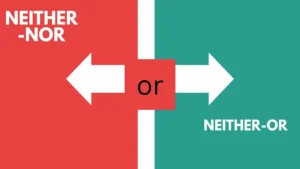
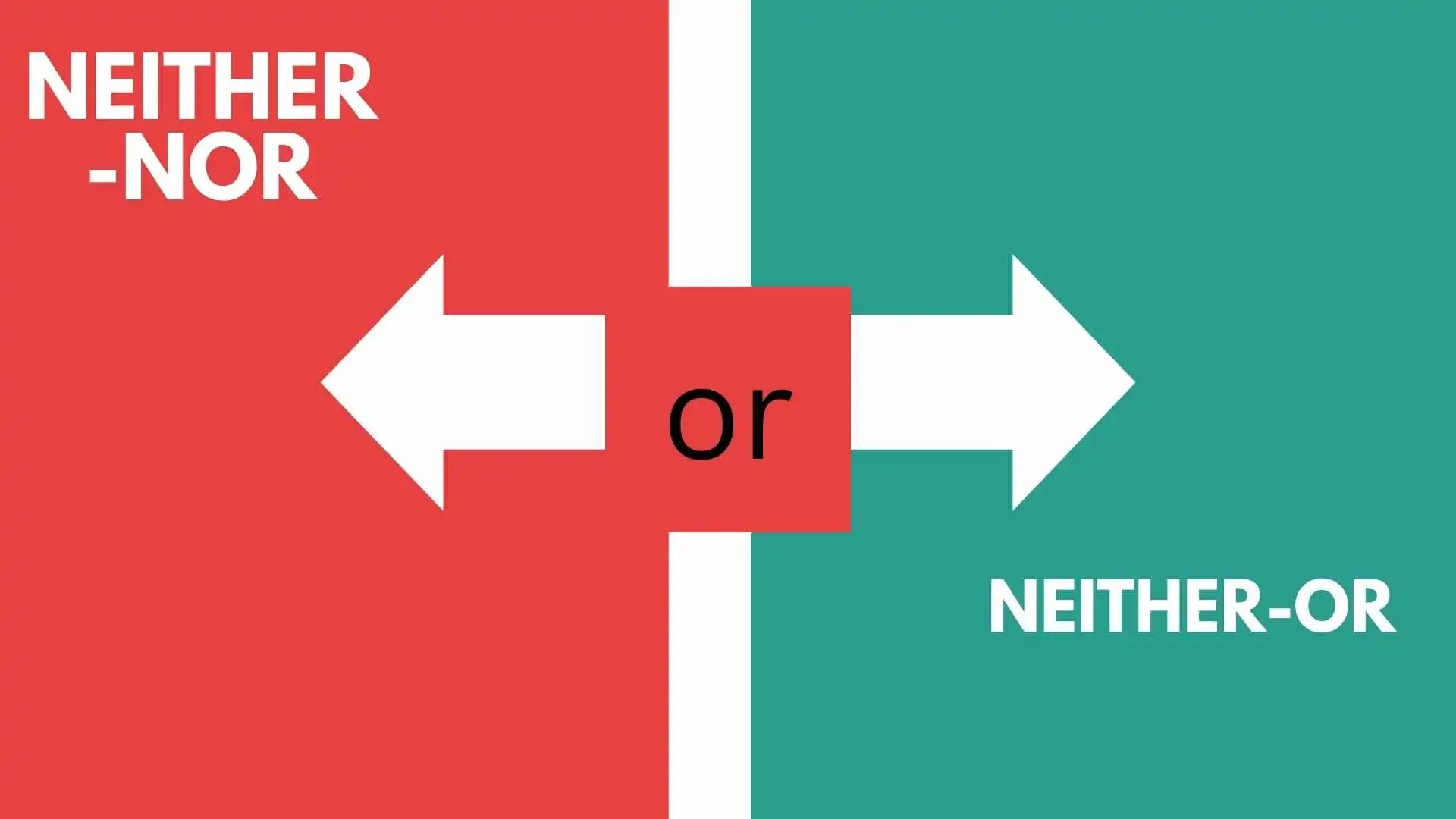
- ✅ Correct: Neither…nor
- ❌ Incorrect: Neither…or
👉 Use “neither…nor” to connect two negative ideas.
👉 “Neither…or” is grammatically wrong in standard English.
What Does “Neither Nor or Neither Or” Mean?
The keyword “Neither Nor or Neither Or” reflects a common confusion between a correct grammar structure and an incorrect one.
✔️ Neither…Nor (Correct)
This is a correlative conjunction pair used to connect two negative options.
👉 Example:
- She likes neither tea nor coffee.
Meaning: She doesn’t like tea AND doesn’t like coffee.
❌ Neither…Or (Incorrect)
This is not a standard grammatical structure in English.
👉 Example (Wrong):
- She likes neither tea or coffee. ❌
👉 Correct version:
- She likes neither tea nor coffee. ✅
Why Does This Confusion Happen?
There are a few reasons why people mix up “neither nor or neither or”:
1. Similarity with “Either…Or”
- Either…or is correct and widely used.
- People mistakenly replace “nor” with “or.”
👉 Example:
- Either you stay or you leave. ✅
So naturally, people think:
- Neither you stay or you leave. ❌
2. Informal Speech Habits
In casual conversation, people often say:
- I like neither pizza or burgers.
Even though it’s incorrect, it sounds “normal,” which spreads the mistake.
3. Lack of Grammar Awareness
Many learners aren’t taught correlative conjunction pairs, leading to confusion.
Grammar Rules for “Neither Nor”
Let’s break it down simply so you can use it confidently.
✔️ Rule 1: Always Use “Nor” After “Neither”
- “Neither” must always be paired with “nor.”
👉 Correct:
- Neither the teacher nor the students were present.
✔️ Rule 2: Maintain Parallel Structure
Both parts of the sentence should match grammatically.
👉 Correct:
- She neither sings nor dances.
👉 Incorrect:
- She neither sings nor dancing. ❌
✔️ Rule 3: Verb Agreement Matters
The verb agrees with the subject closest to it.
👉 Example:
- Neither the manager nor the employees are available.
- Neither the employees nor the manager is available.
✔️ Rule 4: Use for Negative Meaning
“Neither…nor” already creates a negative meaning, so don’t add extra negatives.
👉 Incorrect:
- I don’t like neither tea nor coffee. ❌
👉 Correct:
- I like neither tea nor coffee. ✅
Memory Tricks (Easy Way to Remember) 🧠
Here are simple tricks to never forget:
🔑 Trick 1: “Neither Goes with Nor”
Think of it as a fixed pair:
👉 Neither = Nor partner
🔑 Trick 2: Match the Sound
- Either → Or
- Neither → Nor
🔑 Trick 3: Replace with “Not This, Not That”
If your sentence means:
👉 “Not this, not that”
Then use neither…nor
Side-by-Side Comparison Table
| Feature | Neither…Nor | Neither…Or |
| Correct Grammar | ✅ Yes | ❌ No |
| Usage | Negative pair | Incorrect form |
| Example | Neither John nor Ali came. | Neither John or Ali came. ❌ |
| Common in Speech | Yes | Yes (but wrong) |
| Formal Writing | Required | Avoid completely |
Examples of “Neither Nor” in Real Life
Let’s look at different contexts so you can fully understand usage.
🗣️ Daily Conversation
- I like neither spicy food nor sweets.
- He invited neither his friends nor his family.
🏫 Academic Writing
- The study found neither significant results nor strong correlations.
💼 Professional Use
- The company offers neither refunds nor exchanges.
❤️ Emotional Context
- She felt neither happiness nor sadness.
🧾 Complex Sentences
- Neither the design nor the functionality meets our expectations.
British vs American English 🌍
Good news! There is no difference between British and American English when it comes to “neither nor or neither or.”
✔️ Both Use:
- Neither…nor ✅
❌ Both Avoid:
- Neither…or ❌
👉 Examples (Same in both):
- Neither the colour nor the design is appealing. (British spelling)
- Neither the color nor the design is appealing. (American spelling)
The structure remains identical—only spelling differences like colour/color change.
Common Mistakes (And How to Fix Them)
Here are frequent errors people make:
❌ Mistake 1: Using “or” instead of “nor”
- Neither the cat or the dog is here. ❌
✔️ Fix: Neither the cat nor the dog is here.
❌ Mistake 2: Double Negatives
- I don’t want neither tea nor coffee. ❌
✔️ Fix: I want neither tea nor coffee.
❌ Mistake 3: Broken Parallel Structure
- She neither likes swimming nor to run. ❌
✔️ Fix: She neither likes swimming nor running.
❌ Mistake 4: Wrong Verb Agreement
- Neither the players nor the coach are ready. ❌
✔️ Fix: Neither the players nor the coach is ready.
Pro Tips to Master “Neither Nor” 💡
Want to sound like a pro? Follow these tips:
✔️ 1. Always Double-Check Pairing
If you see “neither,” immediately look for “nor.”
✔️ 2. Read Your Sentence Out Loud
If it sounds awkward, it’s probably wrong.
✔️ 3. Keep It Simple
Avoid long, complex sentences when practicing.
✔️ 4. Practice with Opposites
Try rewriting sentences using:
- Either…or
- Neither…nor
✔️ 5. Avoid Informal Habits
Just because people say “neither or” doesn’t make it correct.
FAQs About “Neither Nor or Neither Or”
1. Is “neither or” ever correct?
No, “neither or” is always incorrect in standard English.
2. Can I use “neither” without “nor”?
Yes, but only in short responses:
- Neither do I.
3. What is the opposite of “neither nor”?
The opposite is “either…or.”
4. Is “neither nor” formal or informal?
It is used in both formal and informal English.
5. Why do people say “neither or”?
Because of confusion with “either…or” and casual speech habits.
6. Can I start a sentence with “neither”?
Yes:
- Neither option is acceptable.
7. Is “nor” used without “neither”?
Yes, but less commonly:
- He didn’t call, nor did he message.
Conclusion: Mastering “Neither Nor or Neither Or”
To wrap it up, the confusion around “Neither Nor or Neither Or” is common but easy to fix once you know the rule.
👉 Always remember:
- Neither…nor = Correct ✅
- Neither…or = Incorrect ❌
This simple pairing rule can instantly improve your grammar and make your writing sound more polished and professional.
Whether you’re writing emails, blog posts, or academic content, using the correct structure builds credibility and clarity.